
Exteriors That Stop Air Leaks Permanently
Windows, Doors & Siding in the Greater Tidewater VA area for homes with drafts, moisture intrusion, or rising energy costs
Gaps around old window frames and deteriorated siding allow conditioned air to escape and moisture to enter wall cavities, which drives up utility bills and creates conditions for mold growth. Steven Rosso Company installs replacement windows, exterior doors, and siding systems in Portsmouth that seal against air infiltration and water penetration. When windows fog between panes or doors no longer close flush, the seals have failed and replacement prevents further energy loss.
Window installation starts with removing old units and inspecting the rough opening for rot or water damage that needs repair before new windows go in. Proper flashing around the frame directs water away from the opening, and low-expansion foam fills gaps without bowing the frame. Siding installation requires a weather-resistant barrier over sheathing, and each course must overlap correctly to shed water down the wall face rather than behind the material.
Arrange a home evaluation to identify where air leaks and moisture entry are occurring.
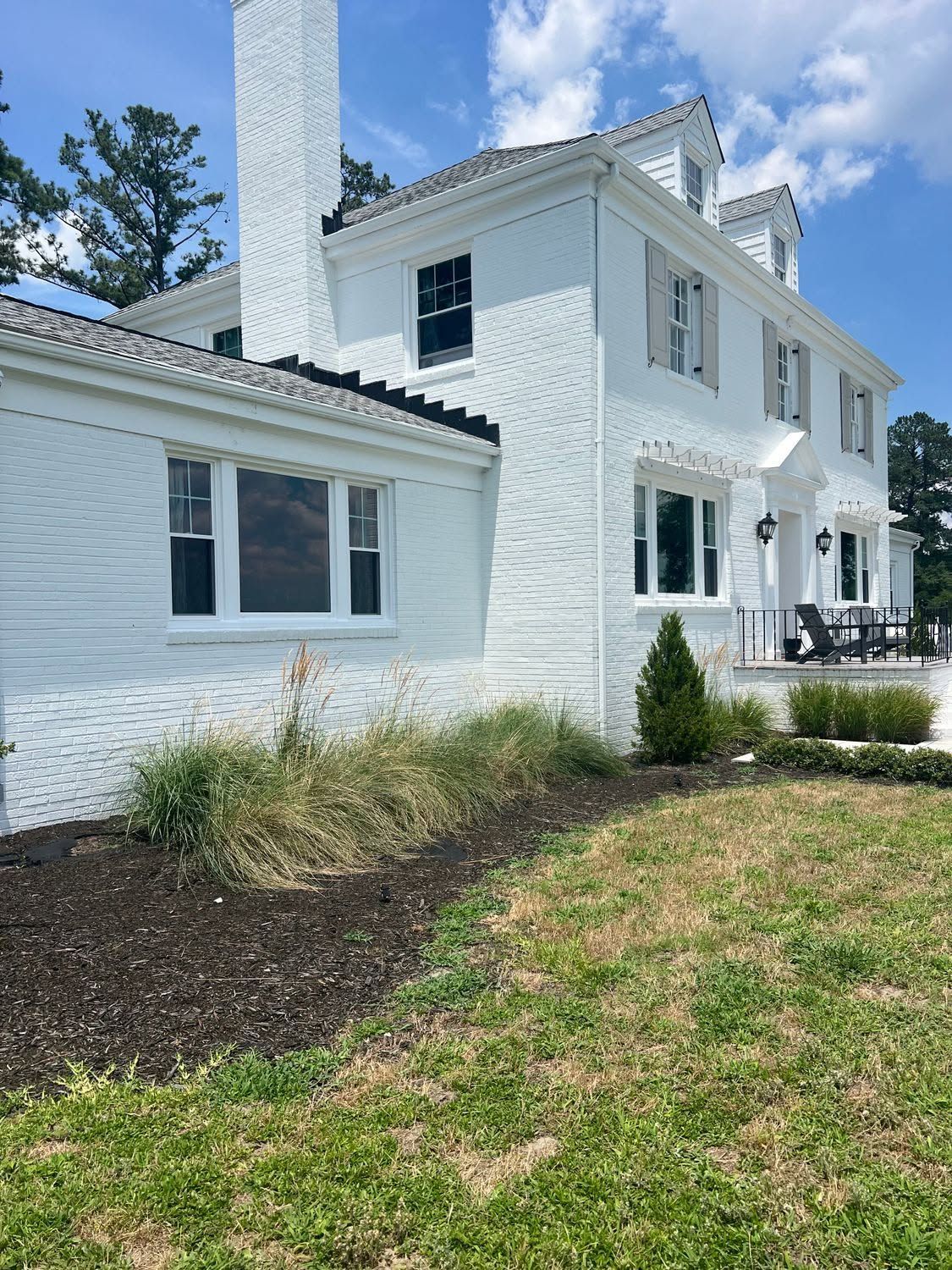
How Exterior Upgrades Address Energy Loss
Replacement windows include insulated glass units that reduce heat transfer, and energy-efficient improvements like low-E coatings reflect infrared light to keep interiors cooler in summer. Siding installation over proper insulation and a continuous air barrier stops drafts that single-layer walls allow, and new exterior doors with weatherstripping and adjustable thresholds seal gaps that old units leave open. Each component works together to control airflow and moisture movement through the building envelope.
Once exterior upgrades are complete, you notice that rooms maintain temperature more consistently without the HVAC system running constantly. Drafts near windows and doors disappear, and condensation on glass surfaces decreases because interior humidity stays balanced. Energy bills drop as heating and cooling systems work less to compensate for air leaks, and exterior walls stay drier because water no longer penetrates behind siding.
Exterior work often reveals underlying issues like rotted framing or inadequate flashing that must be corrected before new materials go up. Siding installation includes trim and corner details that affect both appearance and water resistance, and color selection for vinyl or fiber cement siding impacts how much heat the material absorbs. Window replacement may require interior trim updates if new units are sized differently than old ones.
Common Questions About Exterior Improvements
Homeowners frequently ask about material options and installation details before upgrading windows, doors, or siding.
What causes windows to fog between panes?
The seal around insulated glass units fails over time, allowing moisture to enter the space between panes where it condenses and creates a cloudy appearance that can't be cleaned from the outside.
How does siding installation affect energy efficiency?
Siding alone doesn't insulate, but proper installation over a weather barrier and insulation layer stops air movement through walls, which reduces the workload on heating and cooling systems.
When should exterior doors be replaced?
Replace doors when weatherstripping no longer compresses to seal gaps, when the door no longer closes flush in the frame, or when you feel drafts around the edges even when locked.
What window features improve energy performance in Portsmouth?
Low-E glass coatings and argon gas fills reduce heat transfer, which matters during both humid summers and cold winters common in this area.
How long does a full siding replacement take?
Most single-family homes require one to two weeks for complete siding installation, depending on the size of the structure and complexity of trim details.
Steven Rosso Company evaluates your home's exterior condition and recommends upgrades that address current problems and prevent future damage. Contact our office at (757) 403-4680 to schedule an inspection and discuss material options.